20 Sliding Patio Door Ideas That Make Your Home Look Bigger & More Beautiful
If there’s one home upgrade that changes everything about how a room feels, it’s the sliding patio door.
I’m not exaggerating. The moment you replace a small, dated patio door — or add a new one where there was only a wall — the whole room shifts. More light comes in. The space feels bigger. The connection between inside and outside suddenly feels intentional and beautiful rather than awkward and blocked off.
But here’s the thing nobody tells you: not all sliding patio doors are created equal. The frame finish, the glass size, the configuration, the hardware — every single detail matters. And with so many options out there, it’s easy to feel overwhelmed before you even get started.
That’s exactly why I put this post together. Whether you’re renovating an existing home, building new, or just dreaming about what could be, these 20 sliding patio door ideas cover every style, every budget, and every room. Let’s find the one that’s perfect for your home.
Frame Finish Ideas
Black Frame Sliding Patio Door — The Modern Classic
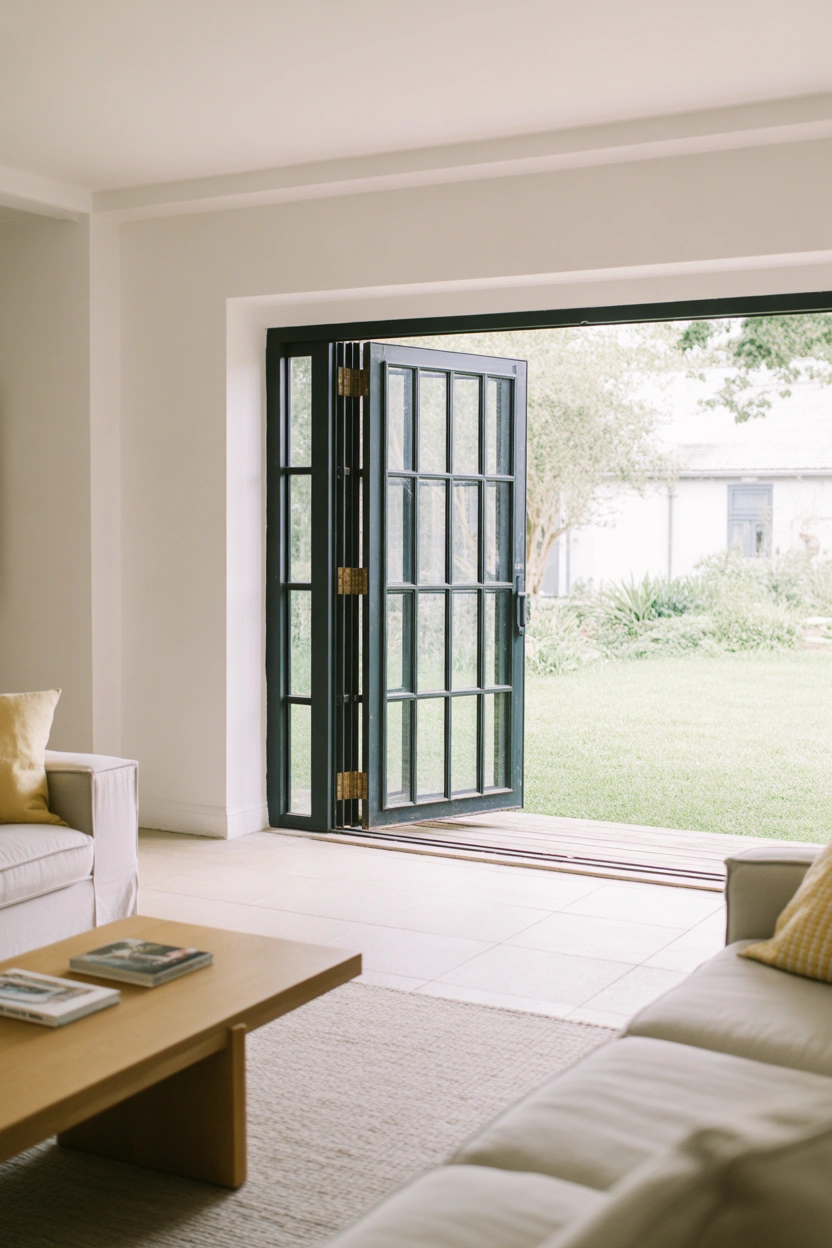
Black aluminum frames are everywhere right now — and honestly, there’s a good reason for that. Against white walls, the contrast is sharp and architectural. Against warm wood floors, it feels bold and grounding. It works in modern homes, farmhouse kitchens, coastal living rooms, and everything in between. The black frame doesn’t blend in — it makes a statement, and that statement is intentional design.
What I love most about black-framed sliding doors is that they make the glass look bigger. Your eye goes straight to the view outside, not the frame around it. If you’re choosing between finishes and can’t decide, black is almost always the right call for a contemporary home.
White Frame Sliding Glass Door — Clean, Bright & Timeless
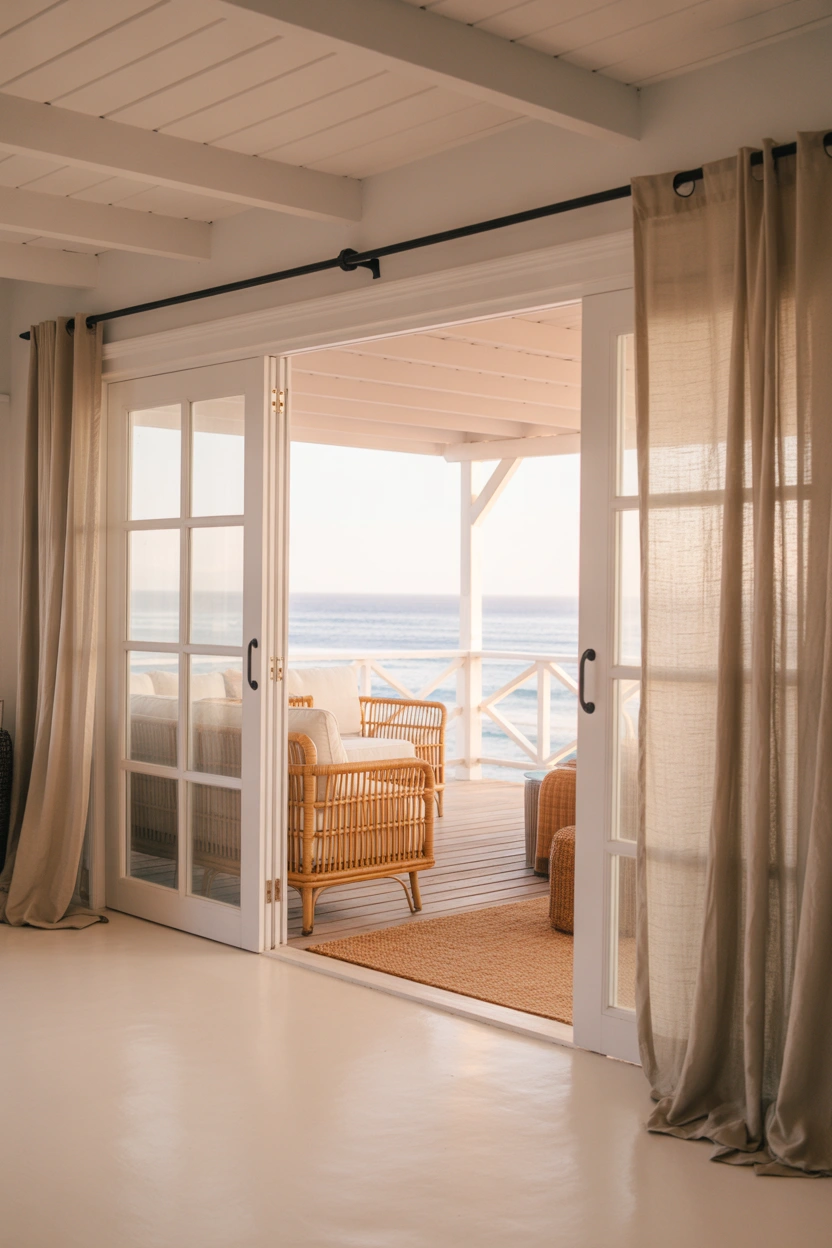
White frames are the quiet achievers of the sliding door world. They blend into light-colored walls, maximize the amount of glass you see, and never go out of style. In coastal homes, Scandinavian interiors, and traditional spaces, a white-framed sliding door feels completely at home — like it was always meant to be there.
The key to making white frames look current rather than builder-grade is pairing them with quality materials around them. White trim that matches exactly, light linen curtains hung high and wide, and natural wood or stone flooring that grounds the space. Done right, a white-framed sliding door disappears into the wall and lets the view do all the talking.
Natural Wood Frame Sliding Door — Warm, Organic & Architectural
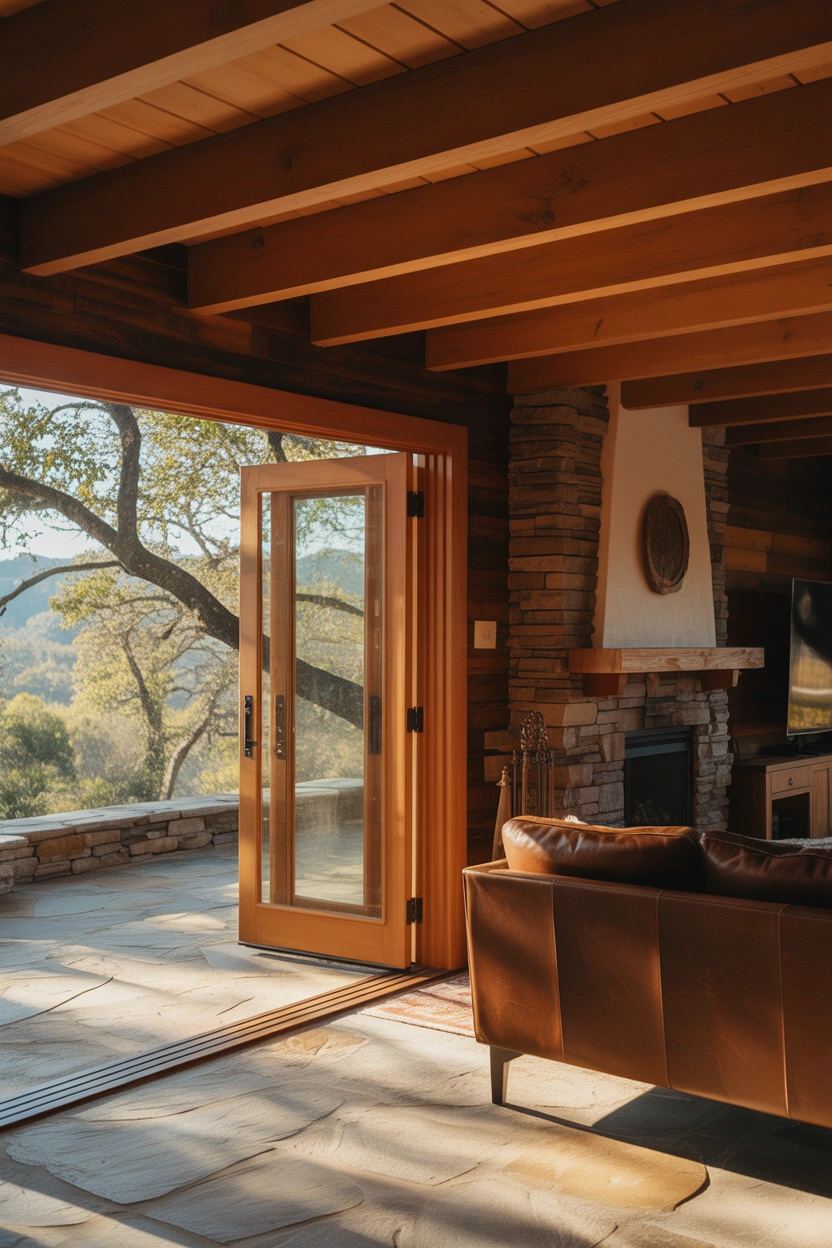
There’s something genuinely special about a wood-framed sliding patio door. It brings warmth into a room in a way that metal simply can’t. In a modern space with concrete floors and white walls, a wood frame acts as the one organic element that keeps everything from feeling cold. In a rustic or cabin-style home, it feels completely native — like the house grew around it.
Worth knowing: wood frames require more maintenance than aluminum. You’ll need to seal and refinish them periodically, especially on the exterior face. But for the right home and the right homeowner, that tradeoff is absolutely worth it. The visual payoff is significant.
Brushed Bronze & Gold Frame — The Luxury Upgrade
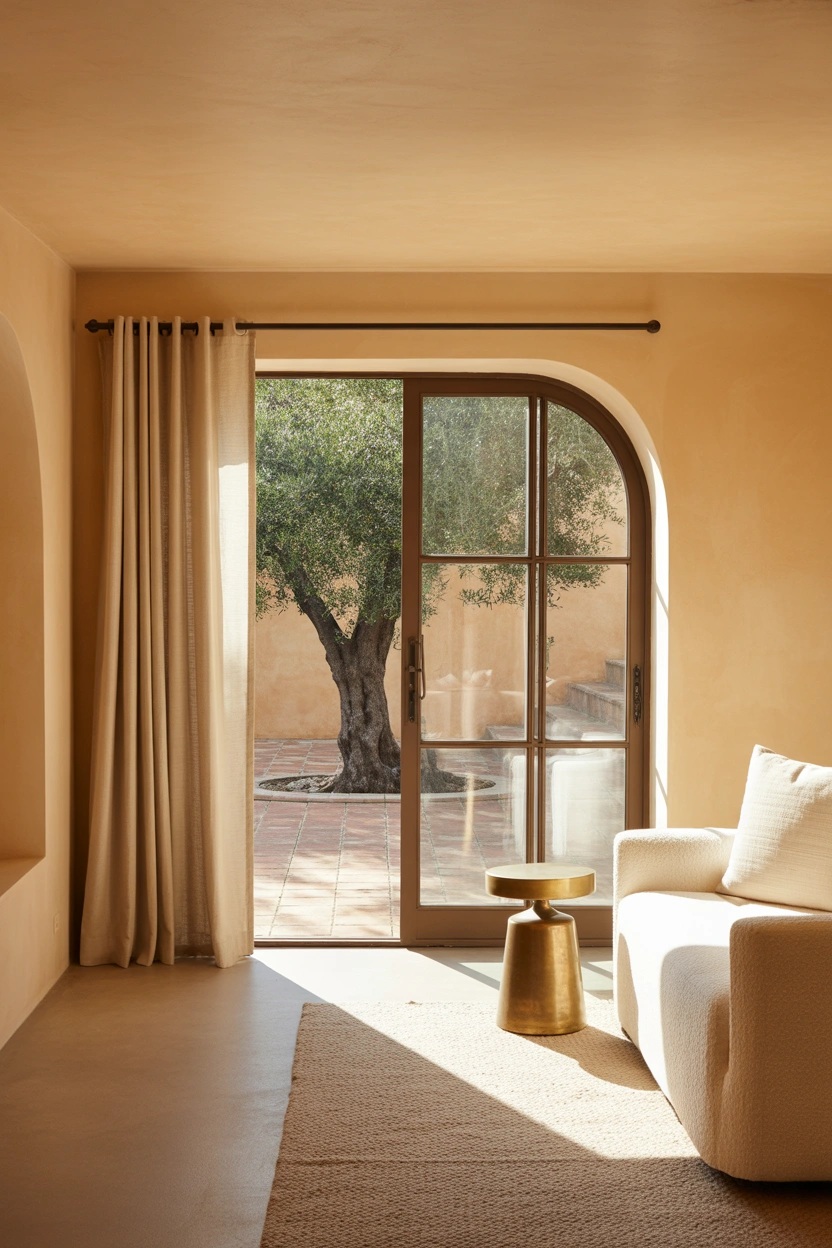
If black frames are the modern classic, bronze and champagne gold frames are the luxury edition. They’re warmer, richer, and more refined — and they work with interior palettes that black sometimes fights against. Cream walls, terracotta tile, dark forest green cabinetry, warm white plaster — bronze frames elevate all of these in a way that feels genuinely high-end.
This is still a relatively niche choice, which is actually a good thing. Your home won’t look like everyone else’s. Bronze-framed sliding doors photograph beautifully in warm natural light and pair perfectly with aged brass hardware throughout the rest of the space.
Size & Configuration Ideas
Floor-to-Ceiling Sliding Glass Door — The Statement Wall
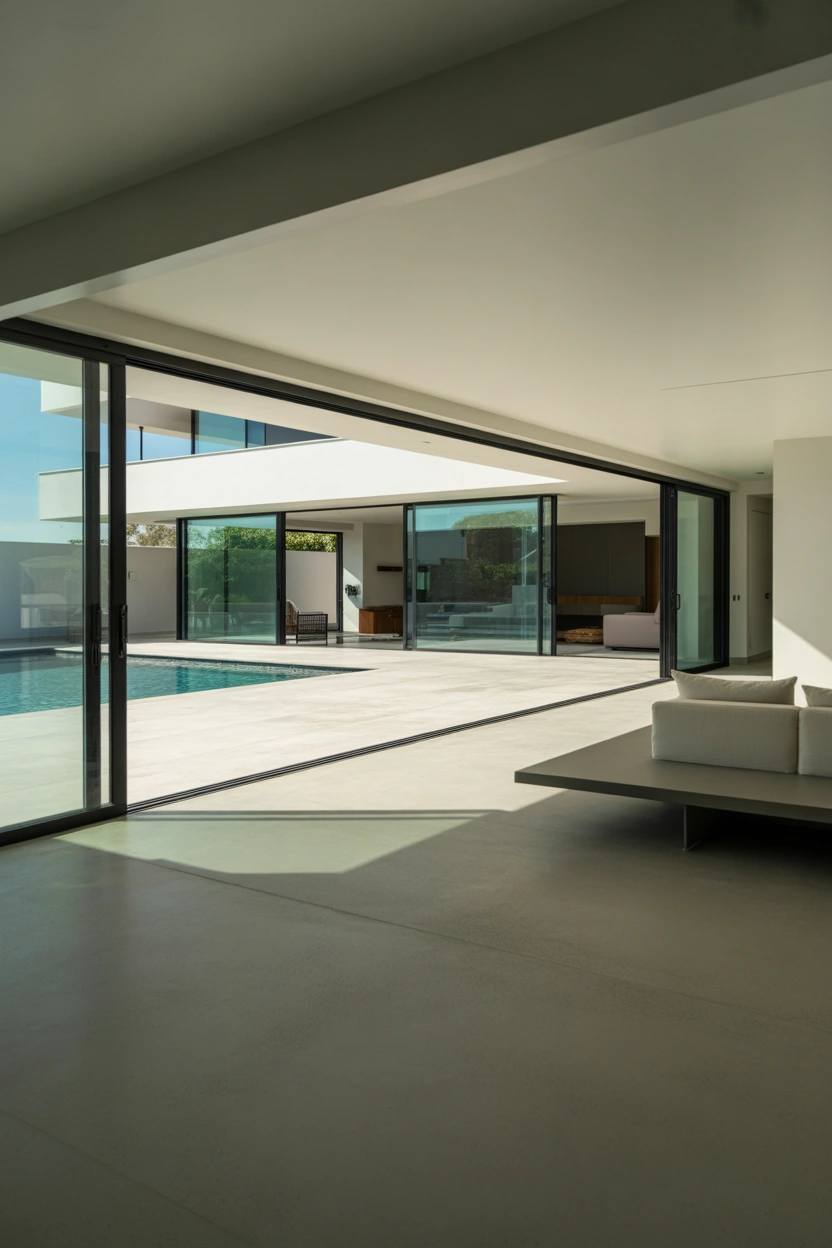
This is the one that stops people in their tracks. A sliding glass door that runs from the floor all the way to the ceiling turns an entire wall into a window — and the effect is breathtaking. Rooms feel taller. Views feel more immersive. Natural light reaches places it never reached before. It’s genuinely one of the most transformative single changes you can make to a home.
From a structural standpoint, floor-to-ceiling doors require proper header support — definitely a job for a structural engineer and experienced contractor. But if your renovation budget can accommodate it, this is where to spend the money. No other change will have the same visual impact.
Multi-Panel Sliding Door System — Open the Whole Wall
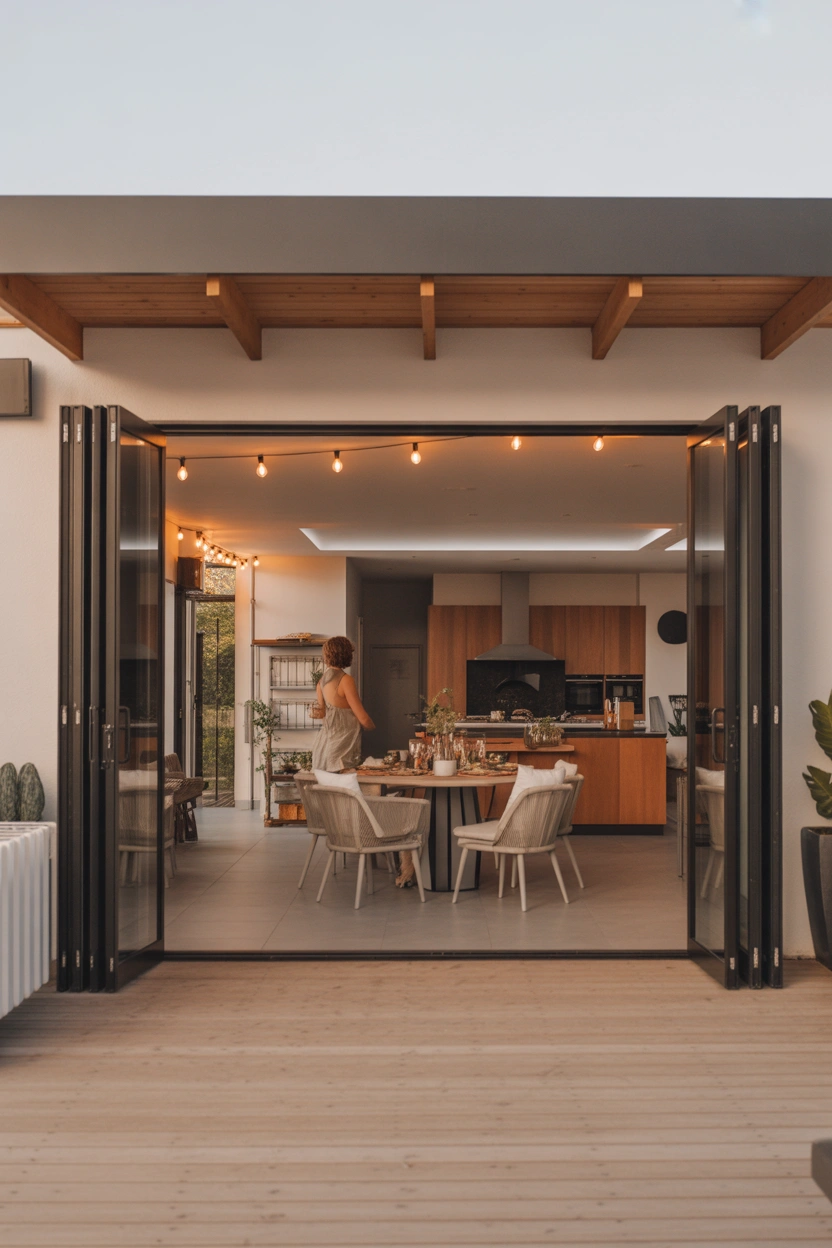
One panel is great. Three or four panels that stack together and open the entire wall? That’s next level. Multi-panel sliding door systems are what make true indoor-outdoor living possible. When they’re fully open, there’s no door at all — just one continuous space flowing from your living room to your patio, deck, or pool area.
These systems work best in wide openings of at least 10 to 12 feet. They need a bit more floor space for the panels to stack when open, so plan your furniture layout accordingly. But if you entertain outdoors regularly, this configuration will change how you use your home completely.
Pocket Sliding Patio Door — The Invisible Door
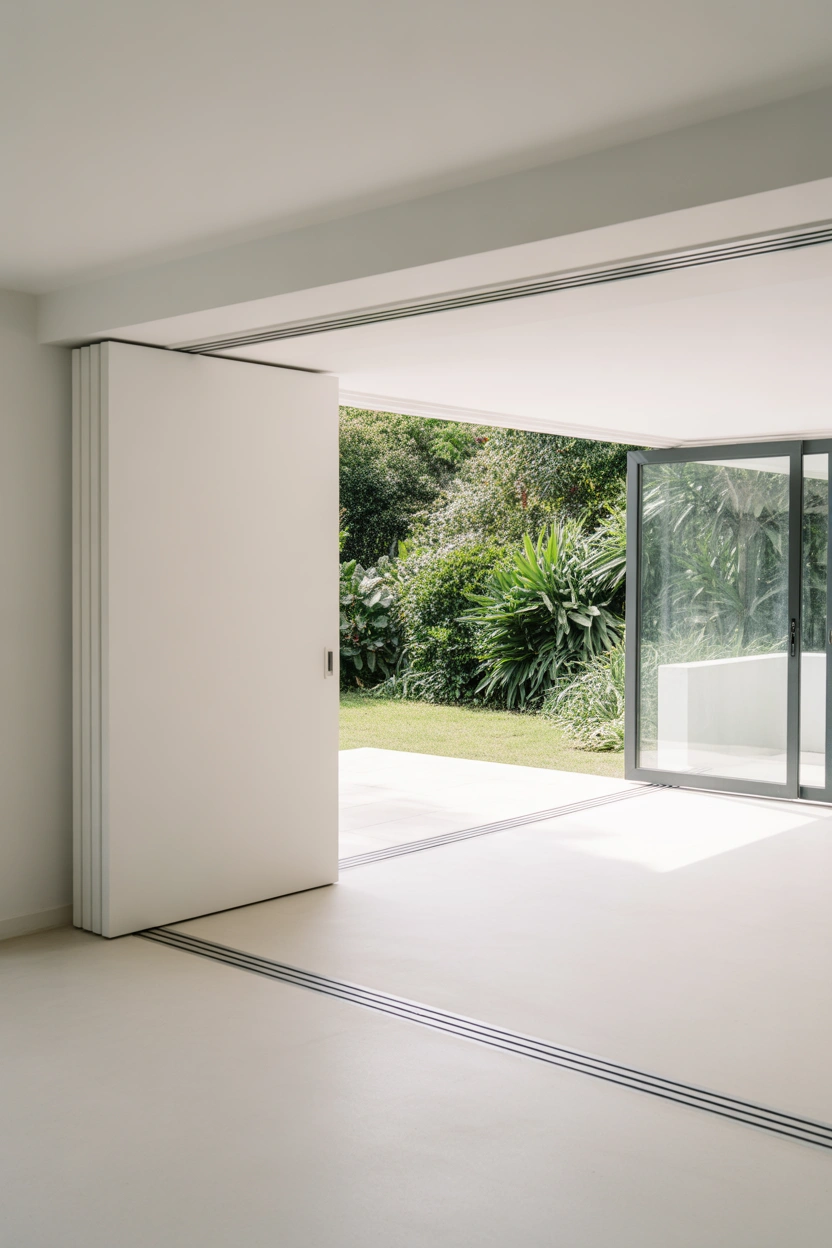
A pocket door slides completely into the wall cavity when open. You can’t see it. There’s no panel stacked to the side, no handle hanging in the air — it literally disappears. For indoor-outdoor spaces where you want zero visual interruption between inside and outside, a pocket sliding door is the ultimate solution.
The installation is more complex than a standard sliding door — you need a wall thick enough to accommodate the door panel, plus proper framing. It’s not a DIY project. But architecturally, nothing else achieves that completely open, boundary-free connection between spaces.
Narrow Single-Panel Door for Small Spaces
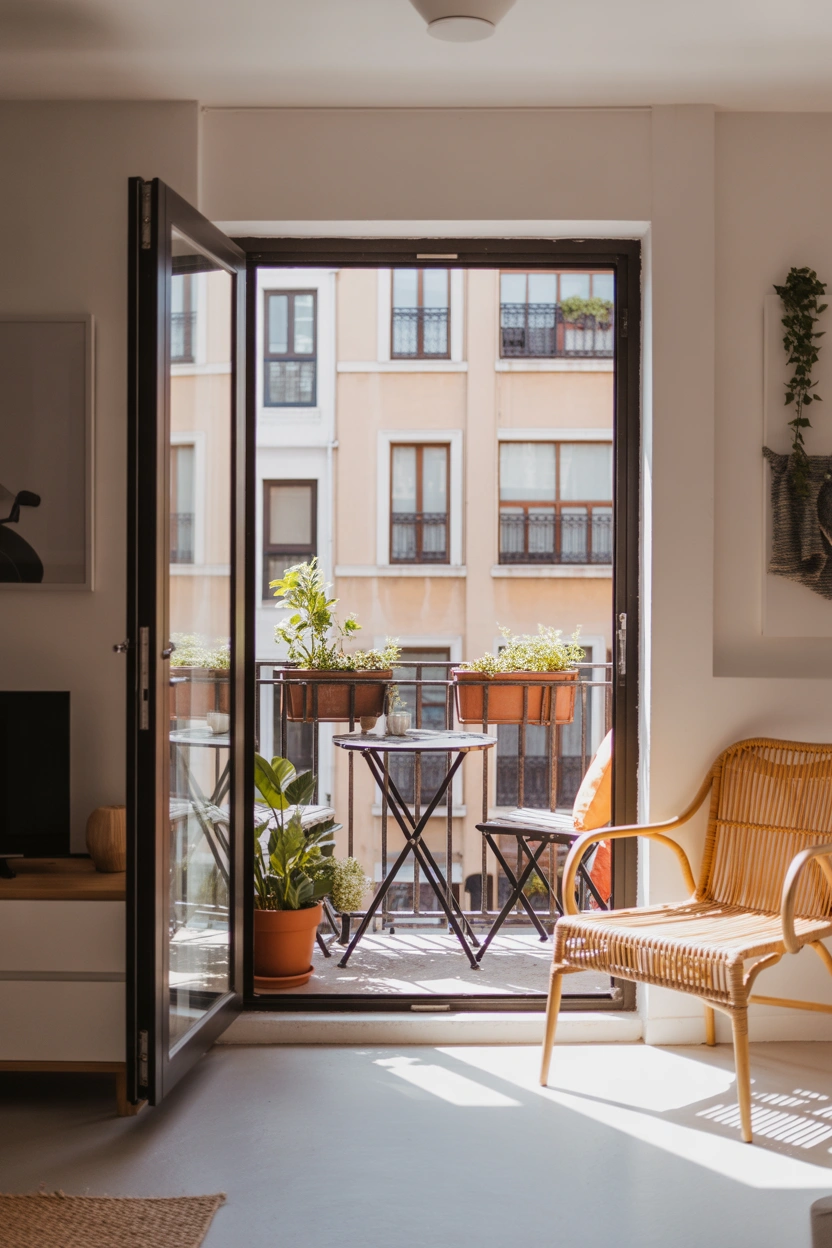
Not every home needs — or has room for — a massive glass wall. And that’s completely fine. A well-chosen single-panel sliding door in a compact space can be just as beautiful and impactful as a multi-panel system in a large one. The key is proportion: the door should feel intentional for the space, not like a compromise.
For small patios, apartment balconies, or compact urban outdoor areas, look for a slim-frame single panel with maximum glass area. Minimal frame, maximum view. Keep the interior styling light and uncluttered so the door — and the outdoor view — can do the work.
Indoor-Outdoor Living Ideas
Living Room to Outdoor Lounge — The Seamless Connection
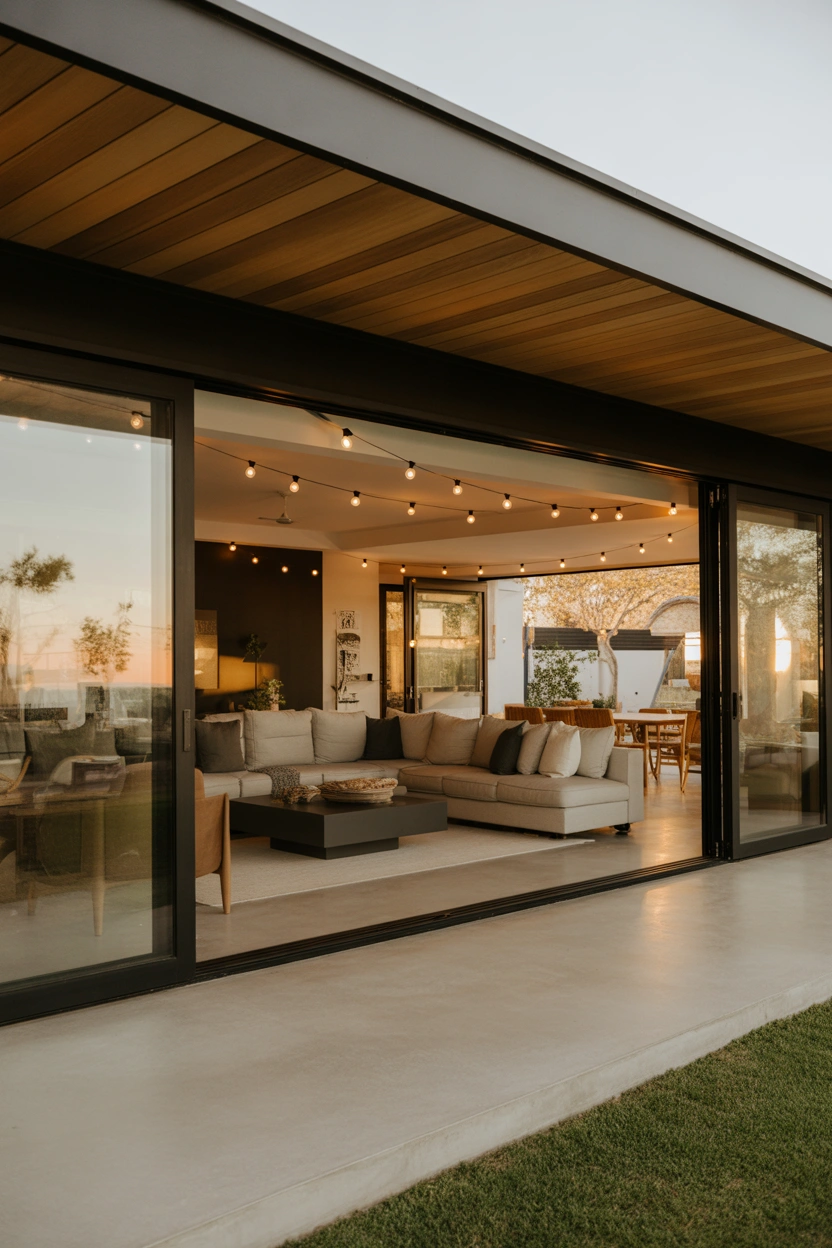
The best indoor-outdoor living spaces feel like one room that just happens to have some of it outside. The trick is continuity. Use the same flooring material on both sides — or at least the same tone and texture — so the eye doesn’t hit a hard stop at the door threshold. Keep furniture at a consistent height. If there’s a pergola or covered area outside, align the ceiling height with the interior soffit where possible.
The sliding door is the hinge point of this whole design. When it’s open, it should be invisible. When it’s closed, it should frame the outdoor space like a painting. That’s the standard worth designing toward.
Kitchen-to-Patio Sliding Door — The Entertainer’s Dream
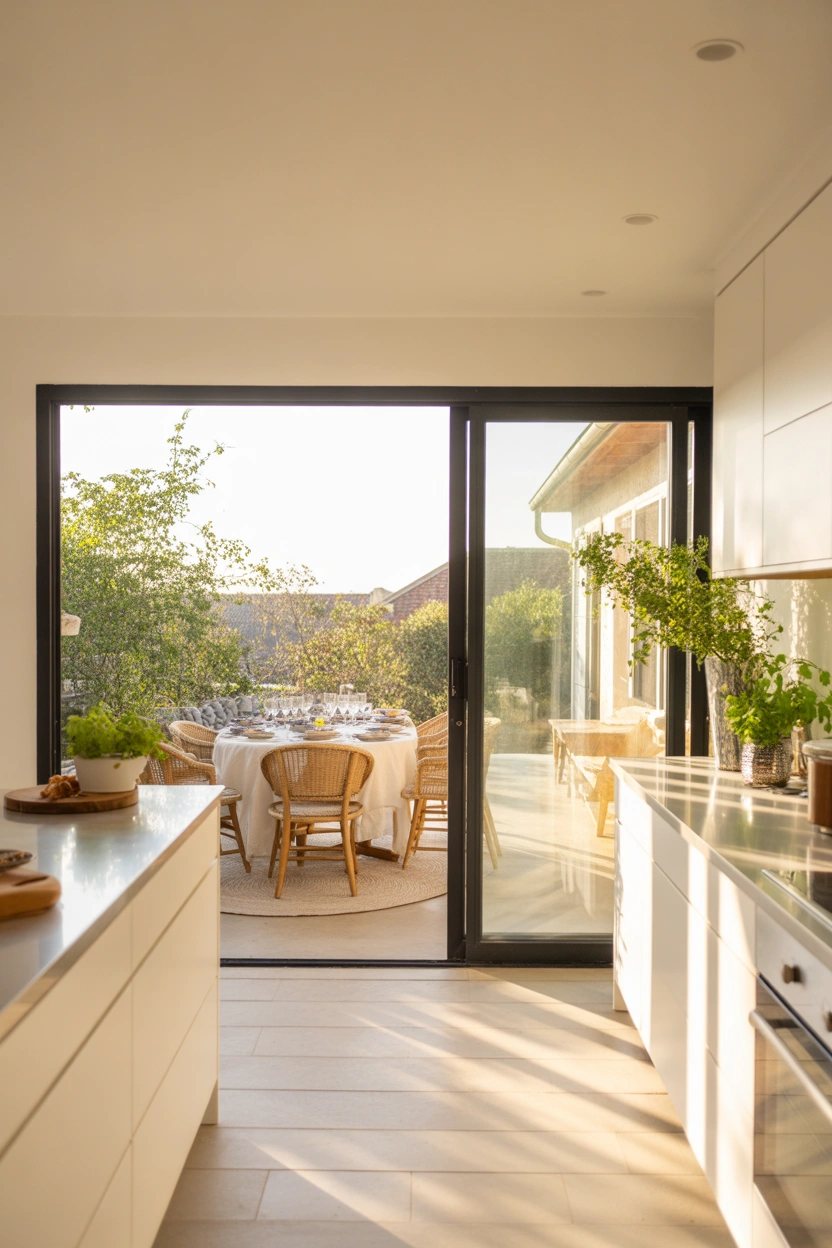
Putting a sliding glass door directly off the kitchen or dining area is one of the smartest layout decisions you can make if you entertain regularly. Food goes straight from the counter to the outdoor table. Guests flow naturally between spaces. And suddenly your home feels twice as large every time you have people over.
Placement matters here. Ideally, the door aligns with the kitchen island or dining table so the traffic flow is direct and natural. And go as wide as your budget allows — this is not the place to size down. The wider the opening, the more generous and intentional the whole space feels.
Bedroom Sliding Door to Private Garden or Balcony
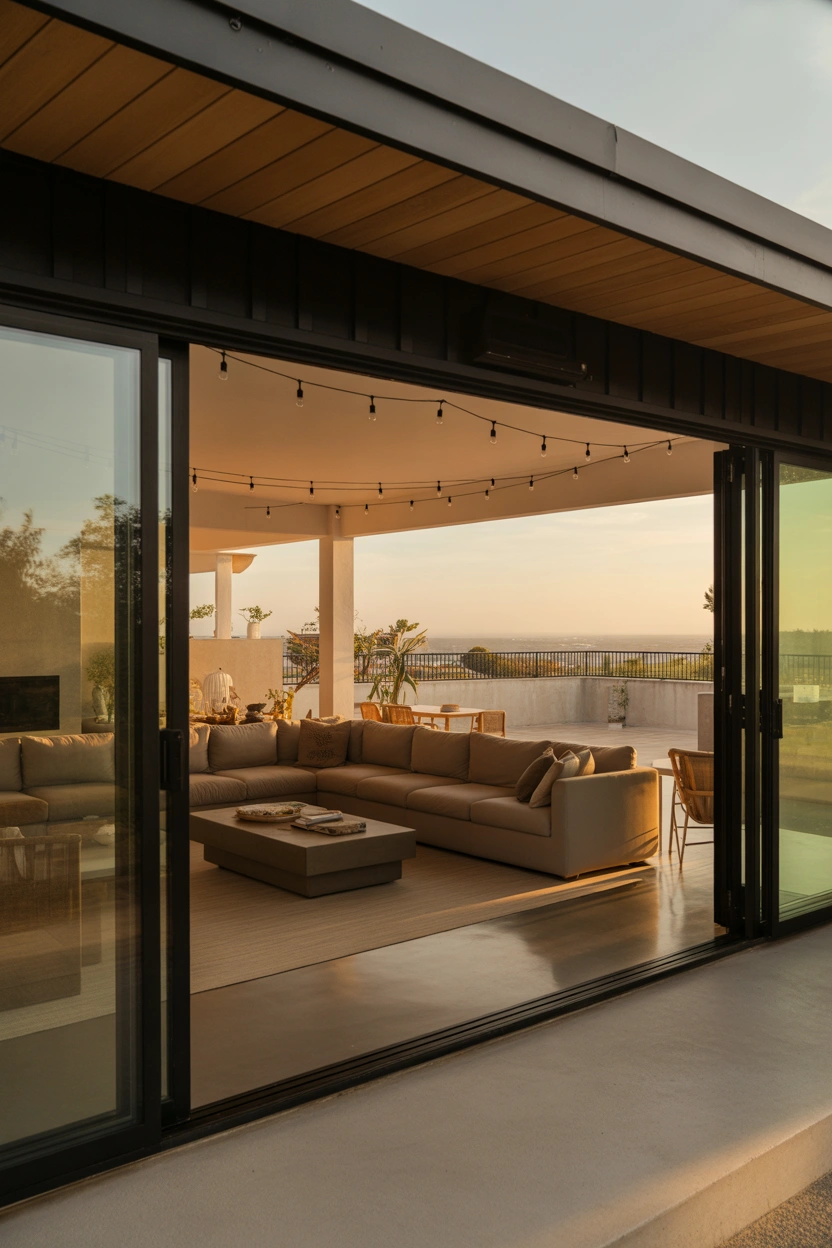
A sliding glass door from the master bedroom to a private outdoor space is one of those features that feels deeply luxurious in everyday life. Morning light pours in. You can step outside without going through the rest of the house. It makes the bedroom feel like a retreat rather than just a room.
Privacy is the main consideration here. If the outdoor space faces neighbors or a street, look at frosted lower panels, privacy film, or a well-placed garden screen. A combination of sheer curtains inside and tall screening plants outside usually solves the problem beautifully.
Glass Type & Treatment Ideas
Frosted or Textured Glass — Privacy Without Losing Light
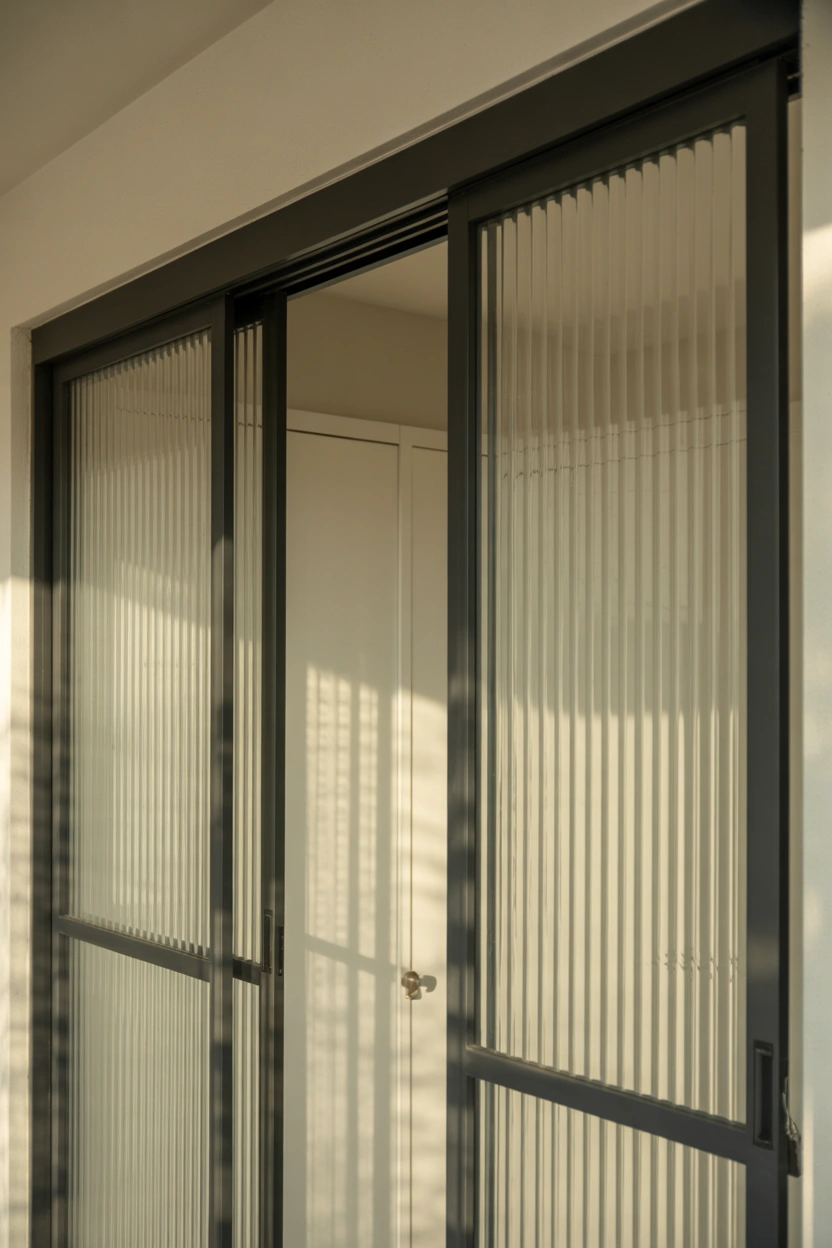
Frosted and textured glass options have come a long way. Ribbed glass, fluted glass, reeded glass — these aren’t just functional privacy solutions anymore. They’re genuinely beautiful design elements that add visual interest and create a soft, diffused light effect that flat, clear glass can’t match.
For a sliding patio door that faces a neighbor’s yard or a busy street, a lower panel of frosted or ribbed glass paired with clear glass above gives you privacy at eye level while still letting full sky light pour through the top. It’s a practical solution that ends up looking like a deliberate design choice.
Sliding Door with Built-In Blinds Between the Glass
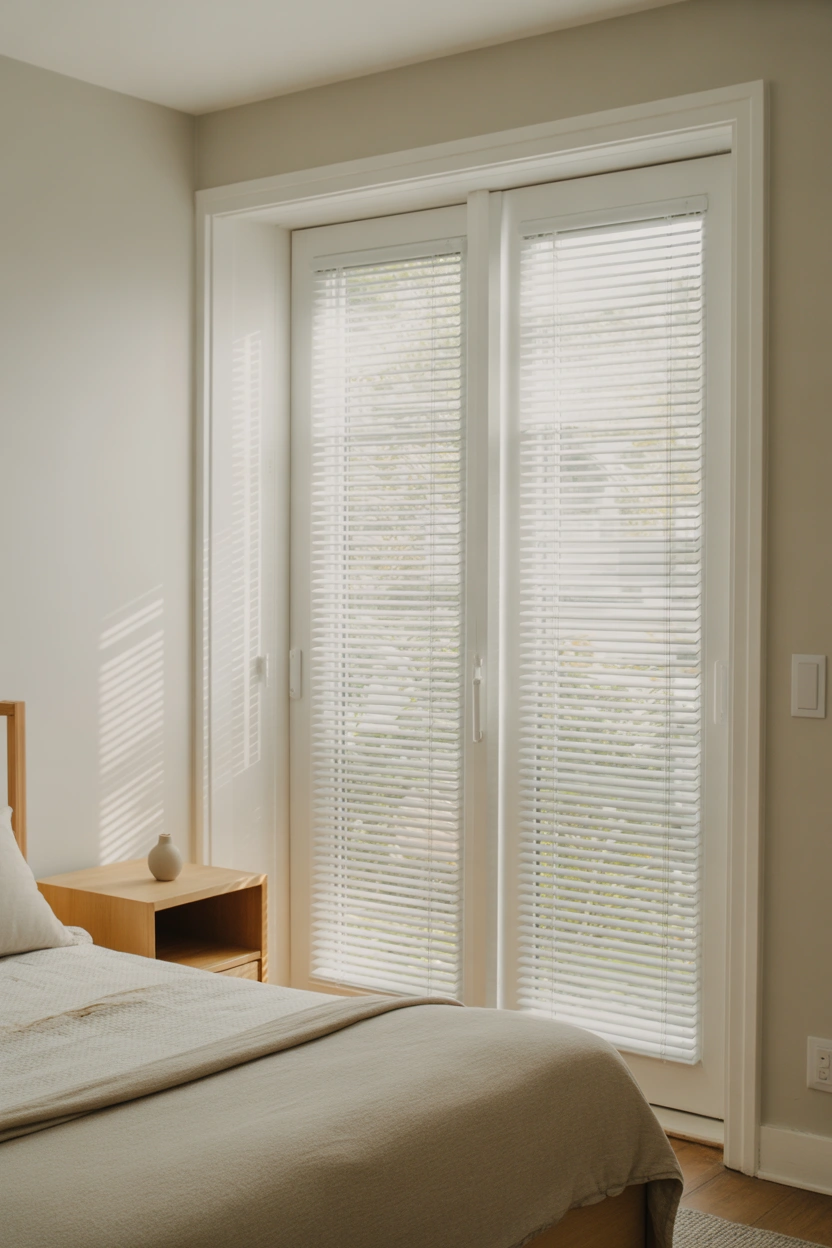
Between-glass blinds are one of those ideas that seem almost too good to be true — and then you live with them and wonder how you ever managed without. The blinds are sealed inside the glass unit itself. No dusting. No tangling. No cords getting caught in the door track. They just work, quietly and cleanly, every single time.
Control options range from a simple tilt rod on the side of the door frame to a magnetic wand, to a fully motorized system you can control from your phone. For a bedroom or home office where light control really matters, the motorized version is worth every penny.
Low-E Energy Efficient Glass Sliding Doors
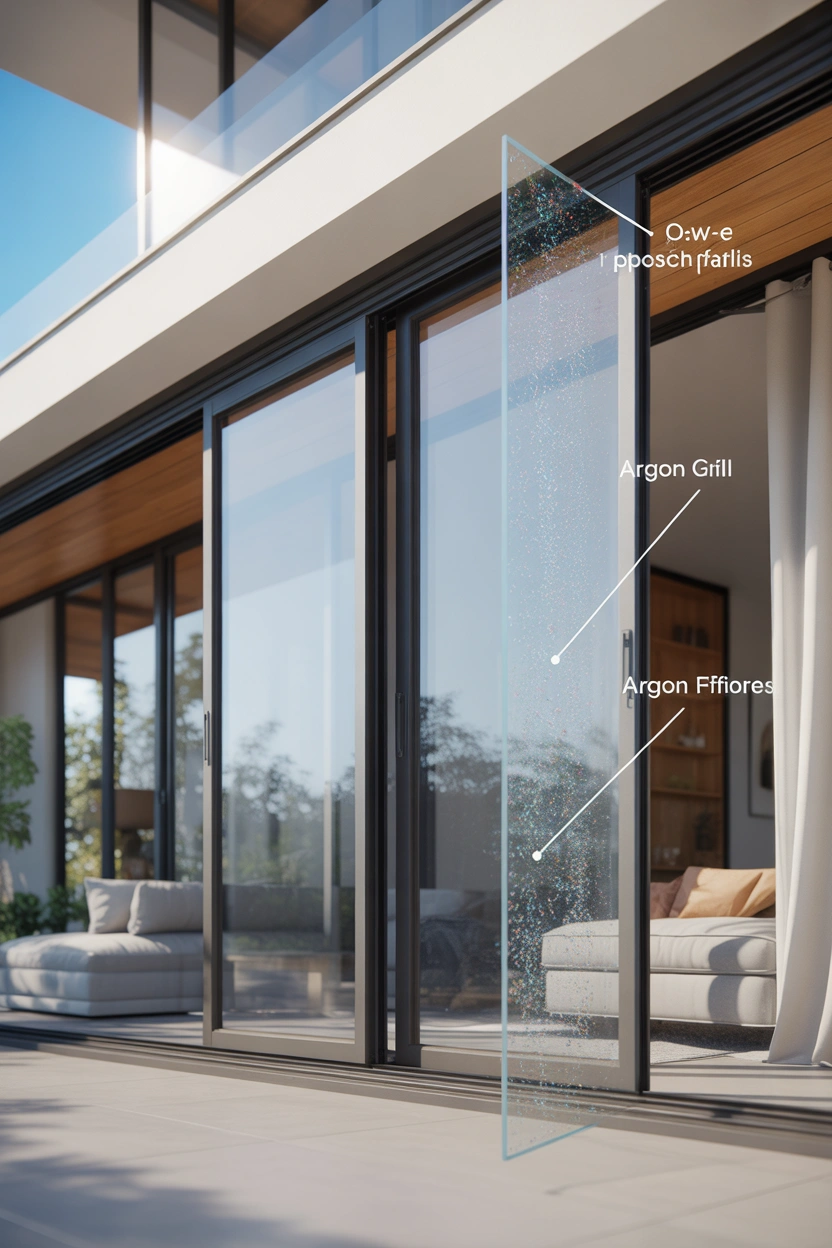
Here’s the practical reality: a large sliding glass door is also a large source of heat gain in summer and heat loss in winter — unless you choose the right glass. Low-E (low emissivity) coated glass has a microscopically thin metallic layer that reflects heat while still allowing light through. You get the view and the light without the energy bill consequences.
For most climates, a double-pane Low-E unit is the minimum worth specifying. In extreme climates — very hot or very cold — triple-pane Low-E is worth the additional cost. Always ask for the U-factor and Solar Heat Gain Coefficient (SHGC) ratings when comparing options. Those numbers tell you more than any marketing description will.
Styling the Space Around the Door
Sliding Door Curtain Ideas — Frame It Beautifully
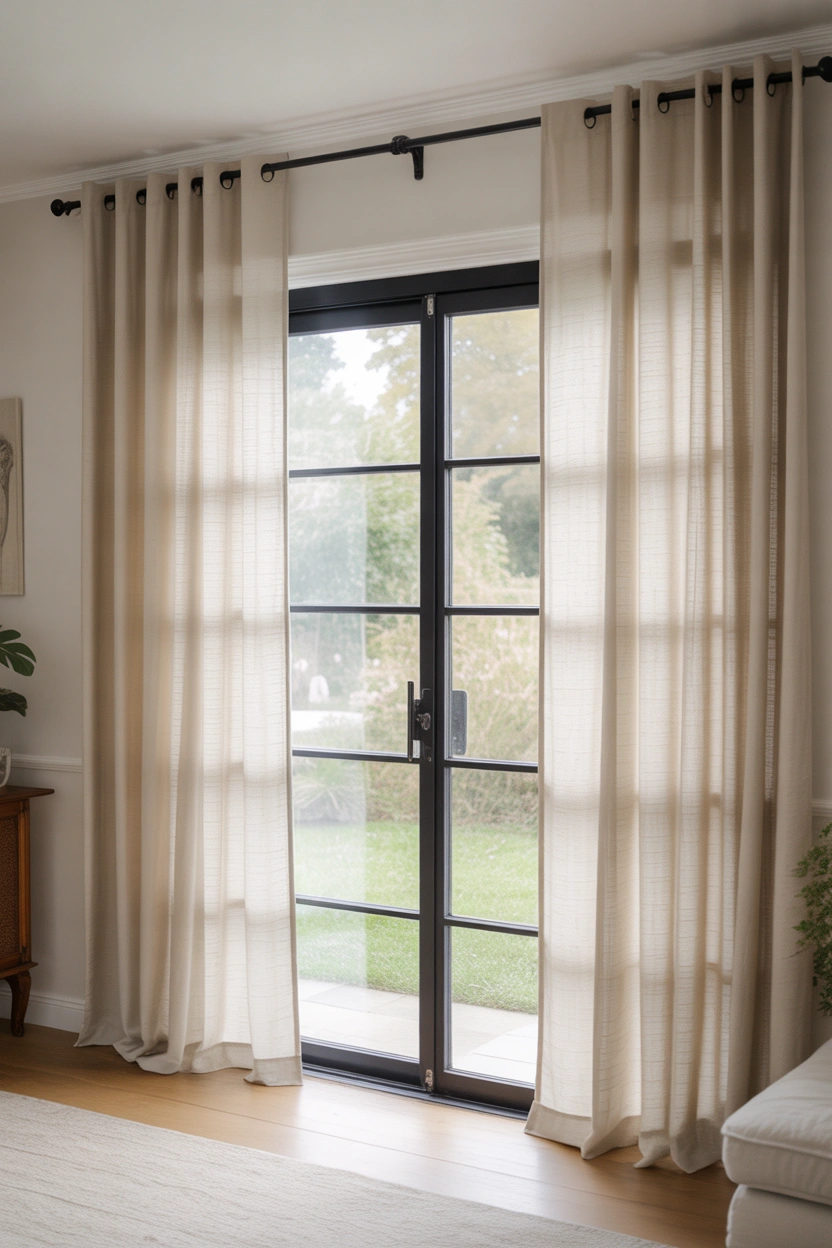
The rod should be mounted at ceiling height — or as close to it as possible — and extend 12 to 18 inches wider than the The most common curtain mistake on sliding patio doors is hanging the rod too low and too wide on each side. This makes the ceiling feel taller, the door feel bigger, and the whole wall feel more intentional.
For fabric, linen is almost always the right choice. It moves beautifully, it diffuses light in the most flattering way, and it works with every interior style from modern to farmhouse to coastal. Avoid heavy blackout panels unless the room is a dedicated media room — they block too much light and the view the door was installed to provide.
Built-In Shelving Flanking a Sliding Patio Door
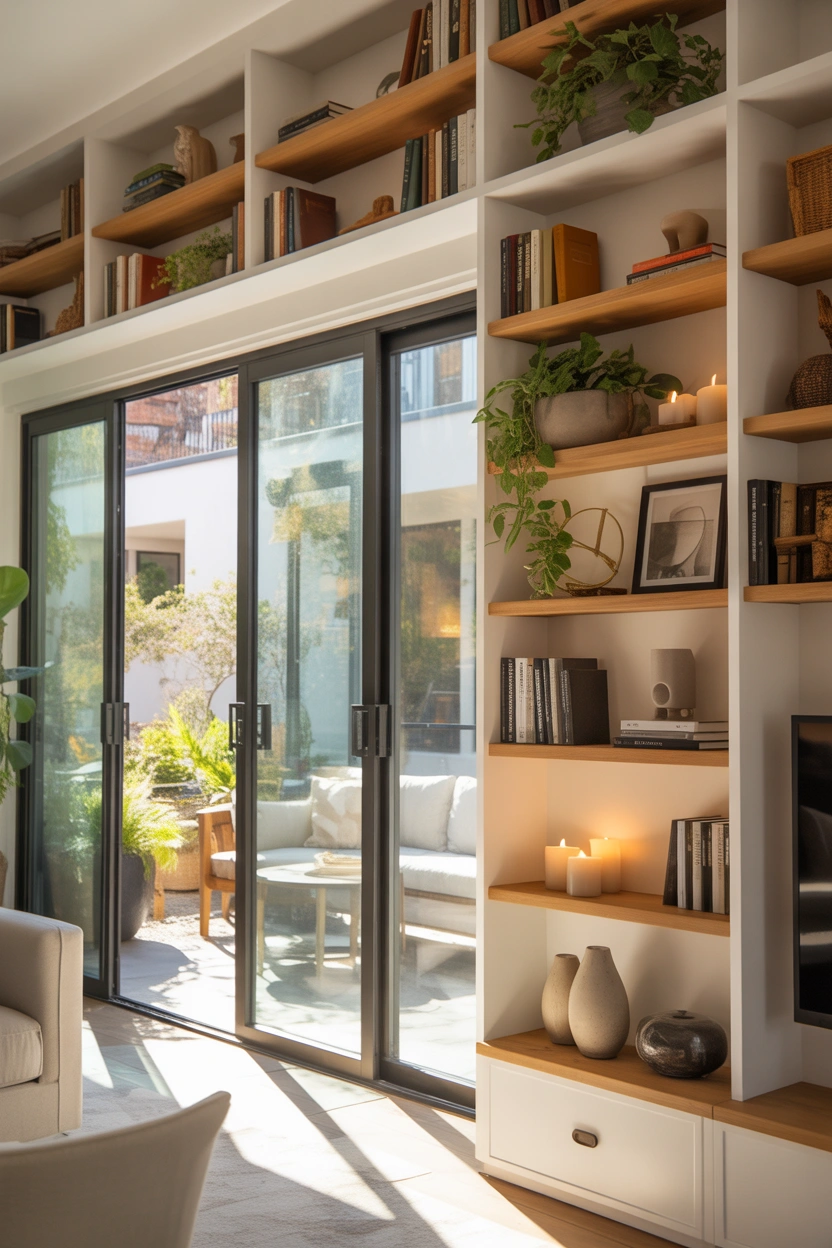
Flanking a sliding glass door with built-in bookshelves or cabinetry on both sides is one of the most architecturally stunning things you can do in a living room. The door becomes the centerpiece of a complete wall composition — shelves on the left, door in the center, shelves on the right, all the way to ceiling height.
The practical note: shelves need to be planned so they don’t interfere with the door panel’s travel path. Usually, a 6 to 8-inch offset from the door frame on the sliding side is enough. Style the shelves with books, plants, and objects that complement — not compete with — the outdoor view framed by the door.
Sliding Patio Door with Transom Windows Above
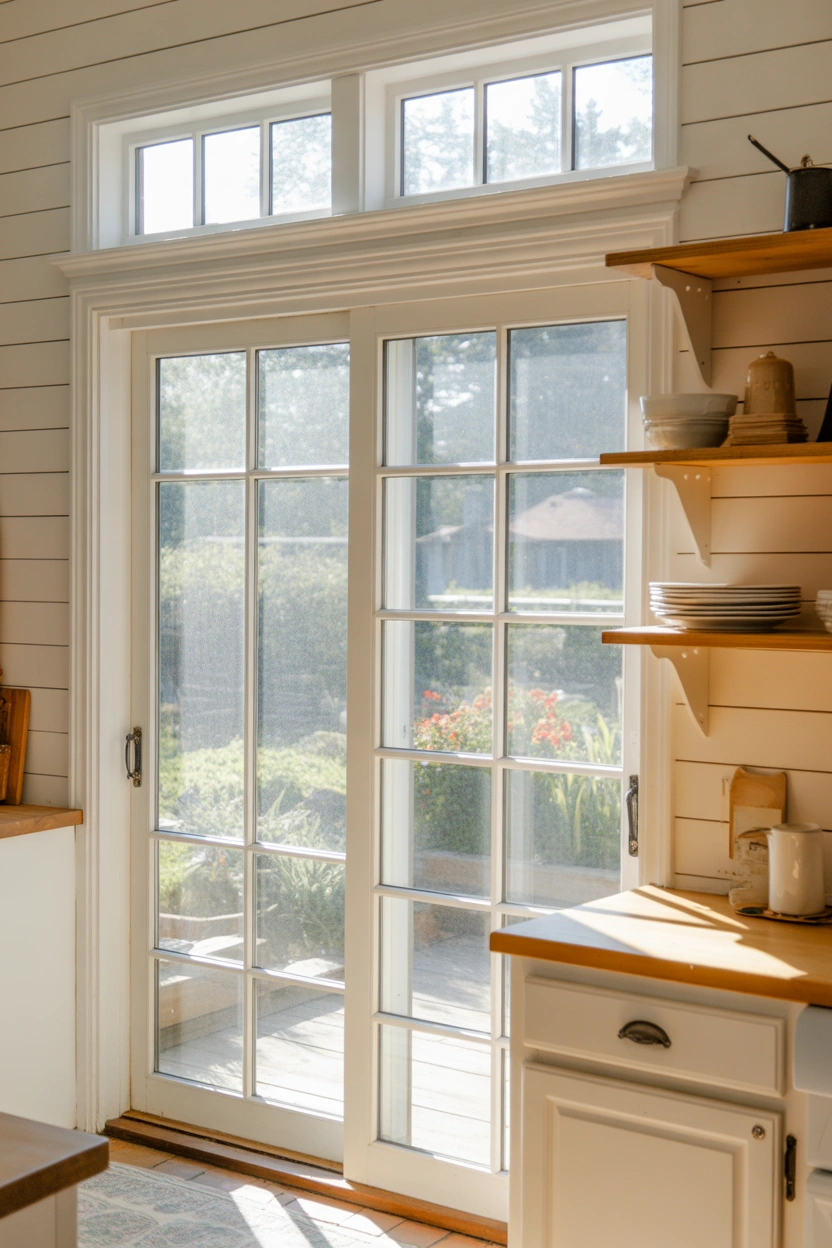
If you want more glass height without the structural complexity of a full floor-to-ceiling installation, adding fixed transom windows directly above a standard sliding door is the smart middle ground. The transoms extend the glass line upward, bring in more sky light, and add architectural interest to what would otherwise be a flat wall above the door.
Match the transom frame finish exactly to the sliding door frame — this is not the place for contrast. The goal is for the whole assembly to read as one cohesive glass element, not a door with windows added on top.
Style-Specific Ideas
Modern Minimalist Sliding Door — Maximum Glass, Minimum Frame
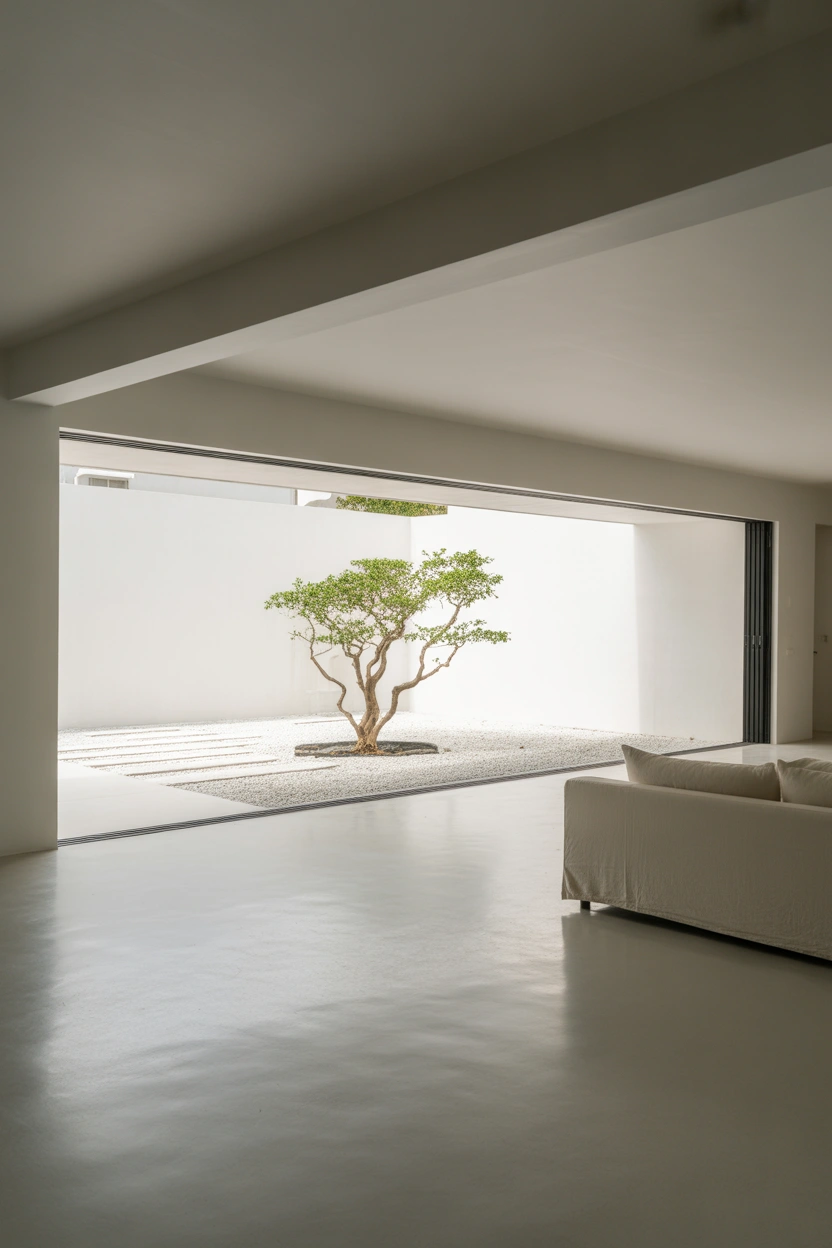
In minimalist design, the frame of a sliding door is almost the enemy — it interrupts the glass, draws the eye to the boundary rather than the view. Ultra-slim frame systems address this directly. Some aluminum frame systems now achieve frames as narrow as 1.5 inches, creating an almost frameless glass wall effect that is genuinely stunning in a minimal interior.
Search for “thermally broken slim frame sliding door systems” when shopping — that term filters for the high-performance, ultra-narrow options. They cost more than standard systems, but in a truly minimal home, they’re worth every penny.
Farmhouse Style Sliding Door — Barn Hardware Meets Glass
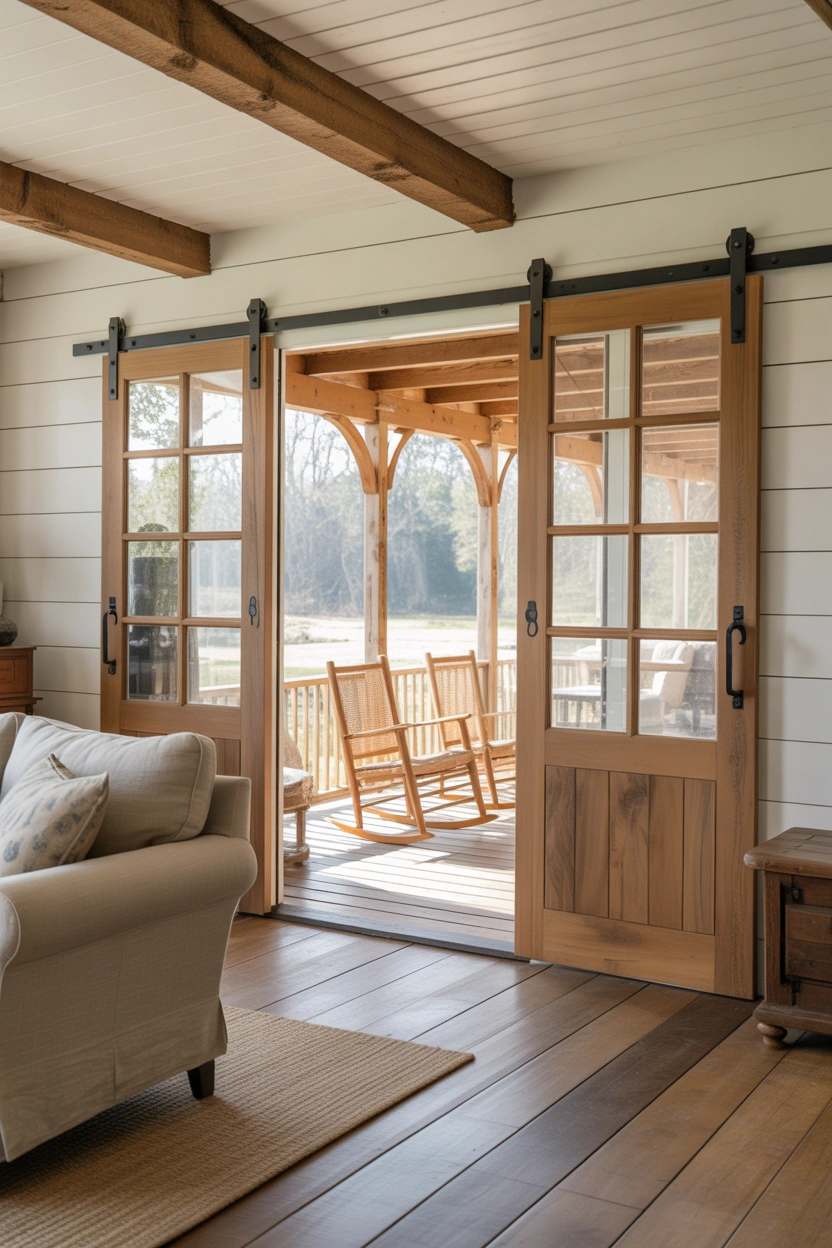
The barn door aesthetic applied to a patio door is one of those combinations that just works. An exposed top-mounted track in aged iron or matte black, a wood or wood-look frame, and clear glass panels — it’s rustic and refined at the same time. It slides with that satisfying weight that good barn hardware always has.
This style is most at home in farmhouse kitchens, shiplap-clad living rooms, and spaces with exposed wooden beams. Pair it with galvanized metal accents, linen textiles, and natural wood tones throughout for a cohesive aesthetic that feels genuinely authentic rather than themed.
Coastal Style Sliding Door — White Frames & Ocean Views
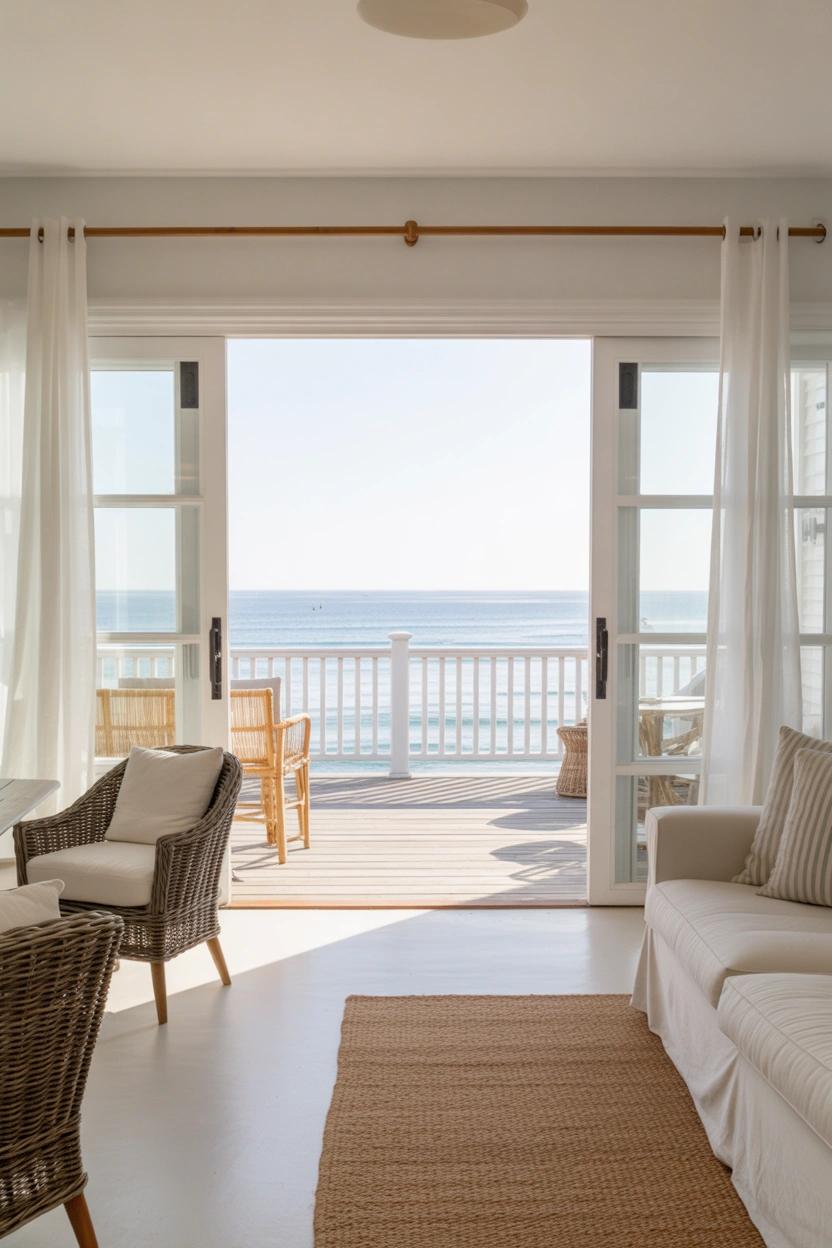
In a coastal home, the sliding patio door is less about the door and entirely about the view. White frames, the widest possible glass panels, and absolutely zero window treatments that would block the water view — that’s the coastal sliding door philosophy in a nutshell.
If privacy isn’t a concern, leave the door completely open. If it is, use sheer white linen panels that can be pushed fully to the sides. The interior should feel light, natural, and uncluttered so nothing competes with what’s outside. The ocean — or the lake, or the garden — is art. The door is just the frame.
Conclusion
The right sliding patio door can completely transform the way your home looks and feels. Whether you love the sleek look of black frames, the warmth of natural wood, or the openness of a floor-to-ceiling glass wall, there’s a design that can make your space brighter, larger, and more connected to the outdoors.
From small apartment balconies to expansive indoor-outdoor living areas, these sliding patio door ideas prove that even a single upgrade can have a huge impact. Focus on the details that matter most to your lifestyle—frame style, glass type, energy efficiency, and overall design—and you’ll create a space that’s both beautiful and functional for years to come.
No matter your home’s style, the perfect sliding patio door can bring in more natural light, improve your view, and add lasting value to your property. Save your favorite ideas and start planning a patio door upgrade that makes your home feel bigger, brighter, and more inviting every day.