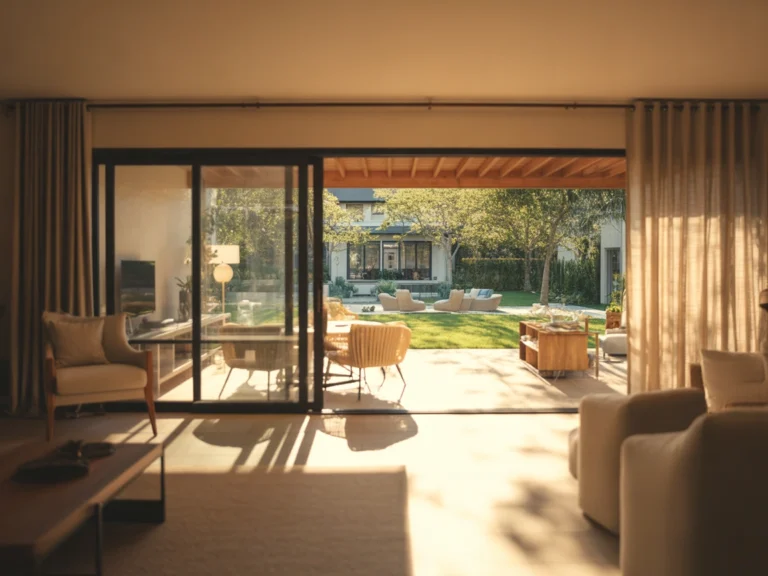
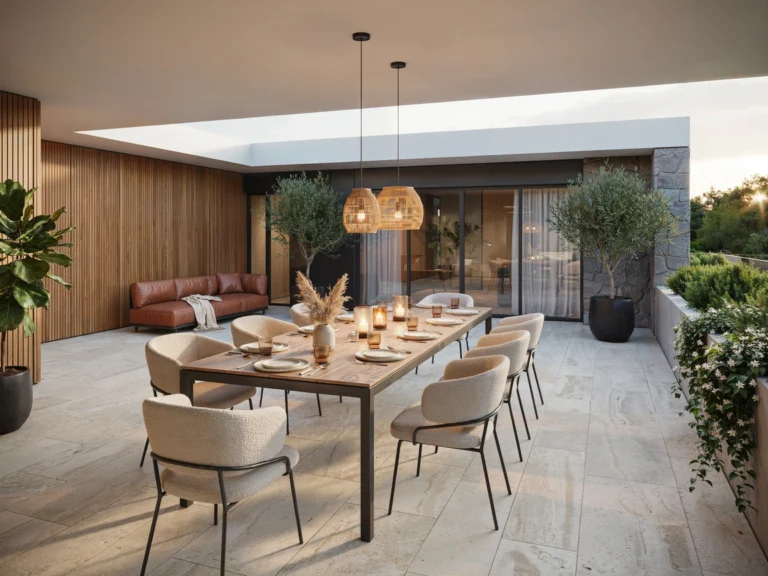
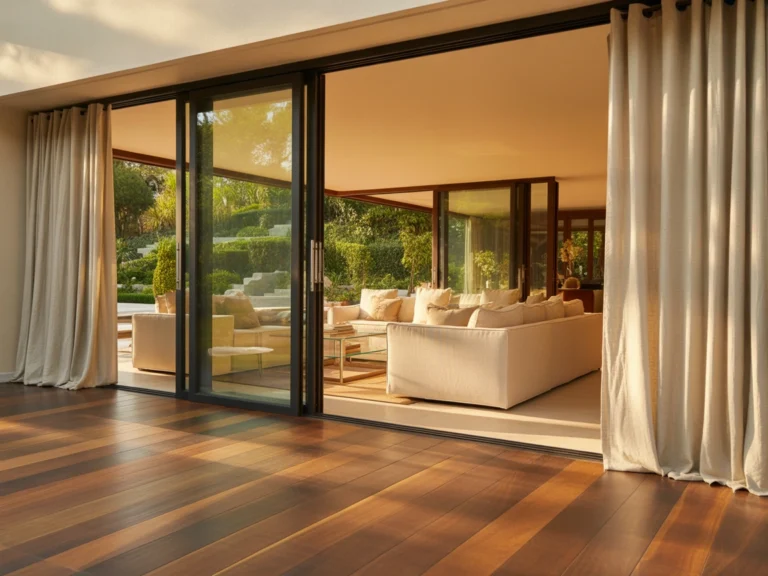
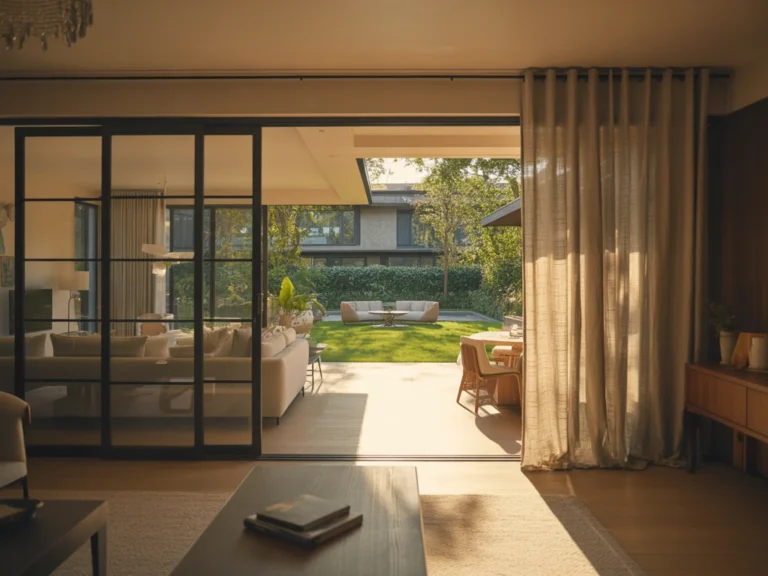
20 Patio Shade Ideas 2026 for Windy Areas, Renters, Apartments, and Budget-Friendly Backyards
Nobody wants to sit outside sweating in the sun—but not everyone can afford a big permanent structure either. Whether you’re dealing with strong wind, renting your place, or just working with a small balcony, there’s a shade solution that fits. Here are 20 patio shade ideas for 2026 that work for almost any space and budget.

Choosing the right shade option comes down to three things: your climate, your living situation, and how much you want to spend. Someone dealing with constant wind needs a completely different setup than someone renting a small apartment balcony. That’s exactly why this list is broken into sections—so you can jump straight to the ideas that actually match your space instead of scrolling through options that don’t apply to you. Whether you need something that survives a storm or something you can set up in five minutes with zero tools, you’ll find it below.
1. Tension-Anchored Shade Sail for Windy Decks

Regular umbrellas tip over the second the wind picks up, but a tension-anchored shade sail stays put. Stretched tight between three or four anchor points, it holds its shape even in strong gusts, giving you steady shade without the constant readjusting.
Unlike a floppy canopy, the tension keeps the fabric flat and controlled, so you’re not chasing it across the yard every time a storm rolls through. It’s become one of the most requested upgrades for exposed decks and patios that catch wind from every direction.
Install turnbuckles at each corner so you can tighten the fabric as needed, and choose a breathable mesh sail rather than solid fabric to let wind pass through instead of catching it like a balloon.
This setup works great over a deck, a patio dining set, or even a small backyard lounge area. Once it’s up, you’ll barely need to touch it again except for seasonal tightening, which makes it one of the lowest-maintenance shade options on this entire list.
Make It Work for You:
- Styling Tip: Choose a sail color that complements your house exterior, like sand or charcoal, for a cohesive look.
- Budget Tip: Stainless steel hardware kits cost less than $50 and make a huge difference in wind resistance.
- Maintenance Tip: Loosen the sail slightly before storms to reduce strain on the anchor points.
- Expert Tip: Angle the sail so one corner sits lower, which naturally helps rain run off instead of pooling.
2. Heavy-Duty Retractable Awning with Side Channels

An awning with side channels locks into place instead of flapping loose, which makes it one of the best options for patios that catch a lot of wind. You get full control over how much shade you want, and it retracts completely when not needed.
Because the fabric is guided along a track on both sides, it doesn’t billow or snap the way a standard drop-arm awning can in gusty conditions. That extra stability is exactly why side-channel models are becoming the go-to choice for exposed patios.
Mount the awning directly to your house or a freestanding frame, and extend it fully during peak sun hours. The side channels keep the fabric taut and prevent billowing, so it stays functional even when the weather turns gusty.
This works well for both a front porch and a larger backyard patio, and most models retract in seconds with either a hand crank or a remote control, so you’re never stuck fumbling with it right as the weather shifts.
Make It Work for You:
- Expert Tip: Side-channel awnings resist wind far better than standard drop-arm styles, so they’re worth the extra cost in exposed areas.
- Styling Tip: Striped fabric adds a classic look, while solid colors feel more modern and clean.
- Maintenance Tip: Retract the awning fully during storms even if it’s rated for wind, just to be safe.
- Budget Tip: Manual crank models cost less than motorized versions and work just as well for most homes.
3. Louvered Pergola Roof for Gusty Backyards

A louvered pergola gives you the most control out of any shade option on this list. The slats tilt open or closed depending on the sun and wind, so you can let air flow through on breezy days or seal the roof tight when you want full coverage. It’s the closest thing to a real outdoor room, since you can adjust it throughout the day as the weather and sun angle change without ever leaving your seat.
These structures are usually aluminum, which holds up far better in wind than fabric or wood alternatives. Pair it with comfortable outdoor furniture underneath, and you’ve basically built an all-weather room.
It’s a bigger investment, but it pays off if you deal with strong wind regularly, since you won’t be replacing torn fabric or repairing a flimsy frame every season the way you might with a cheaper canopy setup.
Make It Work for You:
- Expert Tip: Open the louvers partway on windy days to let air pass through instead of pushing against a solid roof.
- Styling Tip: Matte black frames give a modern look, while white frames feel more classic and airy.
- Budget Tip: Some brands offer manual louver models that cost significantly less than motorized versions.
- Maintenance Tip: Clean the aluminum slats twice a year to prevent dust buildup in the joints.
4. Weighted Market Umbrella for Exposed Patios

If you already own a patio umbrella, it might just need a heavier base. A weighted market umbrella with a sturdy, wind-rated base can handle far more wind than the standard lightweight stand that usually comes with cheaper models.
Most umbrella failures come down to the base, not the canopy itself, so upgrading just that one part often solves the entire problem without buying anything new for the top.
Look for a base rated for at least 50 pounds, or add sandbags to your existing one for extra stability. Choose an umbrella with vents at the top, since these let wind pass through the canopy instead of catching it like a sail.
This is one of the easiest upgrades for an exposed patio, and it costs a lot less than most people expect, especially if you already have a decent umbrella sitting on a weak stand.
Make It Work for You:
- Budget Tip: Adding a sandbag ring to your current base costs far less than buying a whole new umbrella.
- Expert Tip: Vented umbrella canopies handle wind noticeably better than solid, non-vented designs.
- Styling Tip: A bold color like red or navy makes the umbrella a statement piece instead of just a utility item.
- Maintenance Tip: Close the umbrella whenever you’re not actively using the patio to extend its lifespan.
5. Bamboo Reed Roofing for Breathable Coverage

Bamboo reed roofing gives you dappled shade while still letting air flow freely, which makes it a smart pick for windy or humid climates. It has a warm, tropical feel that works especially well over a pergola frame or freestanding structure, and it brings a natural texture that fabric or metal roofing simply can’t match. Even in direct sun, the filtered light underneath feels noticeably cooler than standing under an open sky.
Roll the reed panels across your existing frame and secure them with zip ties or wire for a quick weekend project. Because the material isn’t solid, wind moves through it instead of putting pressure on the frame.
This is a great choice for anyone who wants natural texture without a heavy renovation, and it pairs beautifully with the kind of relaxed, plant-filled patio setups that feel more like a vacation than a backyard chore.
Make It Work for You:
- Styling Tip: Pair bamboo roofing with rattan furniture and warm-toned cushions for a cohesive tropical look.
- Budget Tip: Reed rolls cost far less per square foot than wood shingles or metal roofing.
- Maintenance Tip: Reapply a weatherproof sealant every year or two to extend the reed’s lifespan.
- Expert Tip: Double-layer the reed panels in spots that get the most direct afternoon sun for extra coverage.
Tension Rod Outdoor Curtains (No Drilling)

Renters often assume shade means permanent installation, but tension rods prove otherwise. A tension rod fits snugly between two posts or walls with zero drilling, and outdoor curtains hung from it instantly soften a bare patio while blocking sun. It’s one of those upgrades that looks far more expensive than it actually is, since flowing fabric instantly makes a plain concrete slab feel like a designed space.
Choose lightweight, weather-resistant fabric that can handle a little rain, and let the curtains hang loose for a relaxed, cabana-style look. You can tie them back during cooler hours and let them down when the sun gets strong.
This works especially well for apartment patios and covered porches, and because everything is tension-mounted, you can take the entire setup down and pack it into a single bag when you move.
Make It Work for You:
- Budget Tip: Tension rods cost under $15 and require no tools or landlord approval.
- Styling Tip: White or cream curtains create a breezy, resort-like feel that pairs well with any furniture style.
- Maintenance Tip: Machine-washable outdoor fabric makes upkeep simple between seasons.
- Expert Tip: Add tiebacks so you can control airflow and sunlight throughout the day.
7. Freestanding Shade Sail with Weighted Base

If you can’t drill into your building, a freestanding shade sail solves the problem. The sail attaches to poles set into weighted, movable bases, so the whole structure can be repositioned or removed without any permanent changes.
This makes it one of the few shade options that genuinely travels with you, which matters a lot if you’re renting short-term or expect to move within a year or two.
This setup works well for patios where anchor points aren’t an option, like rented backyards or shared courtyards. Fill the base with water or sand for stability, and angle the sail toward the harshest sun exposure.
It’s a flexible option that moves with you if you relocate, and because nothing is permanently attached to the building, you’ll never have to worry about losing a deposit over a hole in the siding.
Make It Work for You:
- Budget Tip: Water-fillable bases are cheaper to ship and easier to adjust than solid concrete ones.
- Styling Tip: Choose a triangular sail for a modern, sculptural look over a simple rectangle.
- Maintenance Tip: Empty water-filled bases before winter to prevent cracking from freezing.
- Expert Tip: Position poles slightly wider than the sail’s edges for maximum tension and stability.
8. Portable Pop-Up Canopy Tent

A pop-up canopy tent sets up in minutes and folds away just as fast, making it ideal for renters who want shade without commitment. It’s also great for gatherings, since you can bring it out for a weekend barbecue and pack it up afterward.
Unlike most other options on this list, it requires zero installation of any kind, which makes it the fastest path to shade if you need something right now rather than next weekend.
Choose a model with UV-blocking fabric and sturdy telescoping legs for stability. Weigh down each leg with sandbags if wind is a concern in your area.
This idea works especially well if you want a flexible shade that doesn’t tie up your patio space permanently, since it folds down small enough to store in a closet or garage corner between uses.
Make It Work for You:
- Budget Tip: Look for canopy tents in muted tones rather than bright event colors for a more everyday patio look.
- Styling Tip: Add string lights along the frame to dress it up for evening use.
- Maintenance Tip: Dry the canopy fully before folding it away to prevent mildew.
- Expert Tip: Use leg weight bags instead of stakes if you’re on a deck or concrete patio.
9. Clip-On Balcony Shade Screen

A clip-on shade screen attaches directly to railing without any drilling, making it one of the simplest renter-friendly upgrades for a balcony. It blocks sun and adds privacy at the same time, which is a big win for apartment living where neighbors are often just a few feet away on either side.
Choose a screen with UV-resistant mesh so it holds up through a full season of sun exposure. Clips slide onto most standard railings, and the screen can be rolled up or removed entirely when you move out.
This is a great choice for anyone who wants quick shade without any commitment, and most screens install in under ten minutes with nothing more than your hands.
Make It Work for You:
- Budget Tip: Clip-on screens cost far less than custom balcony shades and install in minutes.
- Styling Tip: Choose a screen color that matches your railing for a seamless, built-in look.
- Maintenance Tip: Rinse the mesh with a garden hose occasionally to clear dust and debris.
- Expert Tip: Overlap two screens slightly at the corners for full coverage without gaps.
10. Removable Pergola Canopy Kit

A freestanding pergola canopy kit gives you a semi-permanent shade structure that can still be taken apart if you move. These kits typically use interlocking frames and a fabric or polycarbonate roof panel that slides in and out, giving you far more coverage than a sail or umbrella while still staying completely portable between homes.
Set the frame up on your existing patio without anchoring it into concrete, using weighted feet instead. The canopy can be removed for cleaning or storage during off-season months. This works well for renters who want a bigger shade footprint than a sail or umbrella can offer, and most kits can be assembled solo in an afternoon without any special tools or experience.
Make It Work for You:
- Budget Tip: Flat-pack canopy kits cost significantly less than custom-built pergolas.
- Styling Tip: A cream or taupe canopy fabric keeps the structure looking clean and cohesive with most furniture styles.
- Maintenance Tip: Store the fabric panel indoors during winter to prevent sun damage and mildew.
- Expert Tip: Check the kit’s weight rating before buying if your area sees regular strong wind.
11. Small Balcony Umbrella with Clamp Base

A clamp-base umbrella attaches directly to a railing, which is perfect for tiny balconies with no floor space to spare. It tilts to block afternoon sun and folds away completely when not in use, keeping the space clear the rest of the time.
This makes it a favorite among apartment dwellers who need every square foot of their balcony to double as both a shade solution and a walkway.
Pick a compact umbrella designed specifically for balcony clamps rather than a full-size patio umbrella, since the smaller size balances better on a railing mount. Add a small folding chair and side table underneath for a complete mini setup.
This is ideal for apartment dwellers with limited outdoor square footage, and it takes up literally zero floor space since the entire structure hangs off the railing itself.
Make It Work for You:
- Budget Tip: Balcony clamp umbrellas cost less than half the price of a full-size base-mounted umbrella.
- Styling Tip: A striped or scalloped design adds personality to an otherwise plain balcony.
- Maintenance Tip: Close the umbrella whenever you leave the balcony to prevent wind damage.
- Expert Tip: Position the clamp on the sunniest side of the railing rather than centered for the best coverage.
12. Vertical Bamboo Screen for Privacy and Shade

A vertical bamboo screen does double duty, blocking both harsh sun and nosy neighbors at the same time. Mounted along a railing or fence, it adds warmth and texture while filtering light instead of blocking it completely, which keeps the space bright without leaving you fully exposed to the sun or the street.
Roll the bamboo screen out along your railing and secure it with zip ties or basic hooks, no tools required. It pairs naturally with potted plants and rattan furniture for a cohesive, relaxed look. This idea works especially well for ground-floor patios or balconies facing a busy street, where privacy matters just as much as shade does.
Make It Work for You:
- Styling Tip: Pair the bamboo screen with warm-toned cushions and woven baskets for a natural, cohesive look.
- Budget Tip: Bamboo rolls are one of the cheapest privacy solutions available compared to fencing or glass panels.
- Maintenance Tip: Bring the screen indoors during heavy storms to prevent warping.
- Expert Tip: Layer the screen behind a small planter row for extra depth and softness.
13. Retractable Roller Shade for Narrow Balconies

A retractable roller shade fits neatly along a narrow balcony, rolling down when you need shade and tucking away completely when you don’t. It’s one of the most space-efficient options for apartments where every inch counts, since it lies completely flat against the wall or ceiling when it’s not in use.
Mount the roller bracket at the top of your balcony opening, and choose mesh fabric that blocks glare while still letting some airflow through. Since it retracts flat against the wall or ceiling, it never eats into your usable floor space.
This works especially well for tall, narrow city balconies, where a bulky umbrella or canopy would make the space feel even smaller than it already is.
Make It Work for You:
- Expert Tip: Mesh roller shades block glare better than solid fabric while still letting in some natural light.
- Budget Tip: Manual pull-cord models cost far less than motorized versions and work just as well for small spaces.
- Styling Tip: Choose a neutral gray or taupe shade so it blends into most balcony color schemes.
- Maintenance Tip: Wipe the fabric down every few months to prevent dust buildup in the folds.
14. Hanging Shade Cloth Panel for Compact Spaces

A single hanging shade cloth panel is one of the simplest fixes for a small, sunny balcony corner. It hangs from a hook or rod above your seating spot, blocking the harshest rays without covering the entire space, which keeps the rest of the balcony feeling open and bright instead of closed in.
Choose a lightweight shade cloth in a breathable weave, and hang it at an angle that blocks the sun during your peak use hours, usually late afternoon. It takes up almost no visual space, which keeps a compact balcony from feeling boxed in.
This is a great choice for anyone who only needs shade over one small seating area, rather than paying for coverage across a whole balcony you’ll never fully use anyway.
Make It Work for You:
- Budget Tip: A single shade cloth panel costs a fraction of a full umbrella or canopy setup.
- Styling Tip: Pick a color that matches your cushions so the panel feels intentional, not an afterthought.
- Maintenance Tip: Take the panel down and store it indoors when not in regular use to extend its life.
- Expert Tip: Hang the panel slightly angled instead of flat to block low afternoon sun more effectively.
15. DIY Fabric Canopy with Rope and Grommets

A DIY fabric canopy is one of the cheapest ways to add real shade to any patio. Outdoor fabric stretched between two anchor points and secured with rope through grommeted corners creates instant coverage for a fraction of a store-bought option.
It’s the kind of project you can finish in a single afternoon with materials from any hardware store, no special skills required.
Choose a sturdy outdoor fabric and add grommets at each corner before threading rope through to your anchor points, whether that’s a fence, tree, or wall hook. Pull the fabric taut to avoid pooling water, and adjust the angle seasonally as the sun shifts.
This is a true weekend project that costs very little, and it’s easy to swap the fabric out later if you want to update the color or pattern down the road.
Make It Work for You:
- Budget Tip: Buying fabric and grommets separately costs far less than a pre-made canopy.
- Styling Tip: Choose a solid neutral color for a clean look, or a bold stripe for more personality.
- Maintenance Tip: Take the fabric down before winter storms since it isn’t built for heavy snow or ice load.
- Expert Tip: Angle one side lower than the other so rainwater naturally drains off instead of collecting.
16. Repurposed Door or Panel Shade Structure

Old doors or wood panels can become a rustic, budget-friendly shade wall when propped up or mounted at an angle. This upcycled approach costs almost nothing if you source materials from salvage yards or renovation leftovers, and it gives your patio a one-of-a-kind character that store-bought shade structures simply can’t match.
Position the panels to block your patio’s harshest sun angle, using weighted bases or simple bracing to keep them stable. Paint them a coordinating color to match your outdoor decor, or leave the natural weathered finish for rustic charm.
This idea works especially well if you enjoy a hands-on project with real character, and it’s a great way to give old materials a second life instead of sending them to a landfill.
Make It Work for You:
- Budget Tip: Salvaged doors often cost $10 to $30 each, far less than commercial shade panels.
- Styling Tip: Leave the original chipped paint for a farmhouse feel, or repaint for a cleaner modern look.
- Maintenance Tip: Seal wood panels with weatherproofing spray to prevent warping over time.
- Expert Tip: Angle the panels slightly rather than standing them straight up for better wind stability.
17. PVC Pipe Pop-Up Canopy Frame

Building your own canopy frame from PVC pipe is one of the most affordable DIY shade projects out there. The lightweight pipes are easy to cut, connect, and assemble into a simple frame that fabric can be draped over, and the entire project usually costs less than a single trip to a home improvement store for materials.
Cut the PVC pipes to your desired dimensions and connect them with basic joint fittings, then stretch outdoor fabric or a tarp over the top and secure it with clips or ties. The whole frame can be broken down and stored flat when not needed.
This works especially well for temporary shade during parties or seasonal use, since you can assemble and disassemble it in minutes without any tools beyond a saw for the initial cuts.
Make It Work for You:
- Budget Tip: A full PVC frame kit typically costs less than $40 in materials.
- Styling Tip: Spray-paint the white PVC pipes black or a neutral tone for a more polished look.
- Maintenance Tip: Store the frame indoors during off-season months since PVC can become brittle in extreme cold.
- Expert Tip: Add cross-bracing at the joints for extra stability if your patio gets any wind at all.
18. Climbing Vine Trellis for Natural Shade

A trellis covered in climbing vines creates living shade that gets better every year as the plants fill in. It’s a slower project, but the natural canopy it creates is unmatched for beauty and cooling effect, since real foliage lowers the surrounding temperature far more than fabric or metal ever could.
Install a simple wood or metal trellis against a wall or fence, and plant fast-growing climbers like morning glory or trumpet vine at the base. Train the vines along the structure as they grow, and within a season or two, you’ll have a lush, leafy shade wall.
This is a great choice for anyone who wants a natural look that improves with time, and it doubles as a habitat for pollinators if you choose flowering varieties.
Make It Work for You:
- Budget Tip: Fast-growing vine seeds cost just a few dollars and fill in a trellis within one growing season.
- Styling Tip: Choose flowering vines for color, or leafy greenery for a fuller, denser shade effect.
- Maintenance Tip: Trim the vines regularly to keep growth directed along the trellis instead of sprawling.
- Expert Tip: Water climbing vines deeply but less often to encourage stronger root growth.
19. Old Sheet or Drop Cloth Stretched Canopy

If you want shade today and have zero budget, an old bedsheet or canvas drop cloth stretched between two points works surprisingly well. It’s not a long-term solution, but it’s genuinely free if you already have the materials at home, which makes it the fastest possible fix when you need shade right now and can’t wait for anything to ship or be built.
Stretch the fabric tightly between trees, posts, or wall hooks, and secure the corners with rope or bungee cords for stability. A canvas drop cloth holds up better than a thin bedsheet if you plan to leave it up for more than a few days.
This is a great short-term fix while you plan something more permanent, and it costs absolutely nothing beyond materials you likely already have in a closet or garage.
Make It Work for You:
- Budget Tip: This option costs nothing if you already have an old sheet or drop cloth at home.
- Styling Tip: Dye an old white sheet a solid color for a more intentional, less thrown-together look.
- Maintenance Tip: Take the fabric down between uses since untreated cotton isn’t very weather-resistant.
- Expert Tip: Use bungee cords instead of plain rope for corners, since they flex slightly in wind instead of snapping tight.
20. Shade Cloth Pergola Cover on a Budget

If you already have a bare pergola frame, adding a shade cloth cover is the cheapest way to finally get some real coverage. Unlike solid roofing, shade cloth is affordable, lightweight, and easy to install without professional help, which means you can turn an unused, half-finished structure into a functional part of your patio in a single afternoon.
Measure your pergola opening and cut the shade cloth slightly larger for overlap, then attach it to the frame using zip ties or clips along each beam. Choose a percentage of shade coverage based on how much sun exposure your space gets, usually 70 to 90 percent for most patios. This turns an unfinished pergola into a fully usable shaded space for very little cost, and you can always swap the cloth later if you want to change the color or increase coverage.
Make It Work for You:
- Budget Tip: Shade cloth costs a fraction of solid roofing panels or retractable canopy systems.
- Styling Tip: Choose a neutral tan or gray cloth so it doesn’t clash with your existing furniture colors.
- Maintenance Tip: Check zip ties or clips seasonally and replace any that have worn from sun exposure.
- Expert Tip: Overlap two smaller cloth pieces instead of stretching one large piece for easier replacement later.
FAQ
What is the best patio shade for windy areas?
Mesh shade sails, louvered pergolas, and awnings with side channels handle wind best since they let air pass through instead of catching it like a solid sail.
Can renters install patio shade without damaging the property?
Yes. Clamp-on umbrellas, freestanding shade sails, tension rod curtains, and clip-on screens all work without any drilling or permanent changes.
What’s the cheapest way to shade a patio?
A DIY fabric canopy using rope and grommets, or even an old sheet stretched between two points, costs almost nothing and works for temporary coverage.
How much shade coverage do I need for a sunny patio?
Most patios do well with 70 to 90 percent shade cloth coverage, depending on how much direct afternoon sun the space gets.
Conclusion
Whether you’re battling constant wind, renting your apartment, or working with a tight budget, there’s a patio shade idea on this list built for your exact situation. From tension-anchored shade sails for gusty backyards to no-drill curtains for renters and DIY canopies that cost almost nothing, staying cool outdoors doesn’t have to mean spending a fortune. Pick one idea that solves your biggest shade problem first, then build from there as your space and budget grow. Your patio can be comfortable all season long—no permanent renovation required.